
















Nigeria Targets Import Cut as FG Inspects BUA’s LASUCO Sugar Project
Nigeria’s push to slash sugar imports and strengthen local industrial capacity gained momentum as the Federal Government began a fresh round of on-site assessments of major sugar investments, starting with the Lafiagi Sugar Company (LASUCO) in Kwara State.
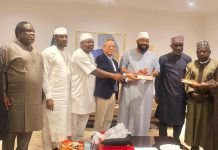
The Minister of State for Industry, Senator John Owan Enoh, led the inspection as part of a broader implementation drive following President Bola Ahmed Tinubu’s directive to fast-track the country’s journey toward self-sufficiency in sugar production.
At Lafiagi, the minister evaluated the readiness of LASUCO’s integrated sugar complex, touring the sugar mill, ethanol plant, power facilities, irrigation infrastructure, and more than 700 hectares of cultivated sugarcane. The BUA Group-owned project is planned as a 10,000-tonne cane-per-day facility, with the capacity to deliver up to 220,000 metric tonnes of refined sugar annually when fully operational.
Enoh said the scale and sophistication of infrastructure at the site underscore the strategic importance of private-sector investment to Nigeria’s sugar transformation agenda. He also praised the Executive Secretary and Chief Executive Officer of the National Sugar Development Council (NSDC), Mr. Kamar Bakrin, for strengthening oversight of operators under the Backward Integration Programme (BIP), noting that consistent monitoring has helped keep long-term projects on track.
Beyond infrastructure, the minister stressed that President Tinubu’s directive goes beyond project inspections, focusing squarely on output. He said the Federal Government expects operators to transition rapidly from construction and planning to sustained production that meaningfully replaces imports.
While acknowledging visible progress at LASUCO, Enoh identified sugarcane cultivation as the critical next frontier, warning that factory capacity must be matched by aggressive farm expansion to ensure commercial viability and steady supply.
Reaffirming government support, the minister said authorities will continue to work closely with serious investors, host communities, and traditional institutions, as Nigeria seeks to revitalise the sugar industry, conserve foreign exchange, create thousands of jobs, and deepen industrial value chains across agriculture and manufacturing.